If you or someone you love has ever faced the grueling journey of infertility, you’ll want to pay close attention: the federal government in the United States is currently looking at a proposal that could alter how employers offer fertility insurance coverage. What does this mean? Historically, many employer-sponsored health plans have not offered comprehensive fertility benefits. This new rule aims to establish certain fertility benefits as a category of limited excepted benefits, providing targeted financial assistance to those families trying to achieve pregnancy.
Where does FEMM come into this? The proposed change includes giving employers the flexibility to cover a broad spectrum of care, including pre-conception care and treatments that address the underlying medical causes of infertility, both female and male.
This is an area where FEMM excels. A successful frontline defense against infertility happens when women and men are assessed and treated so that the root cause of their infertility issue is fully addressed. FEMM medical providers focus on treating reproductive disorders, ovulatory dysfunction, hormonal imbalances, and underlying endocrine conditions. By using targeted, evidence-based pharmacological and lifestyle interventions, they work to restore natural hormonal function and fertility, both female and male.
Following the Reproductive Health Research Institute Guidelines, our FEMM medical providers use a structured clinical framework to identify physiological imbalances: clinical history, physical examination, cycle charting (in women and with the help of FEMM teachers), semen analysis (in men), ultrasound, and targeted laboratory metrics all help to identify root physiological imbalances. FEMM providers can treat multiple different conditions that affect fertility, such as insulin resistance, endometriosis, disorders like PMOS, abnormal uterine bleeding, and male-factor issues including varicocele. Once treated, fertility can be restored in female and male patients.
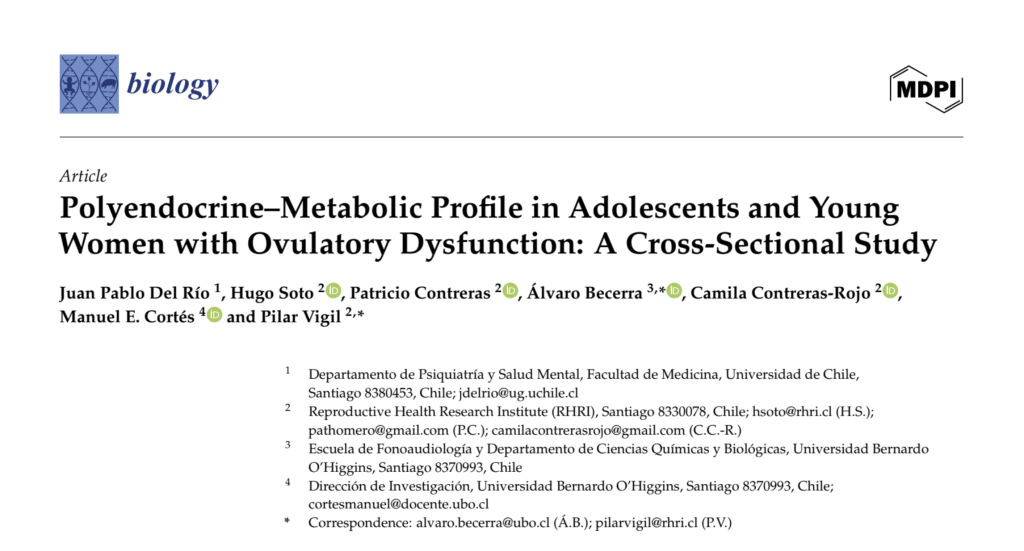
FEMM also has the data to back up our work. At the HHS National Conference on Women’s Health in March 2026, we presented research illustrating the impact of root-cause evaluation. A study of 251 women highlighted the frequent underlying endocrine causes behind ovulatory dysfunction. The identified factors included: insulin resistance, hyperandrogenemia, thyroid dysfunction, and hyperprolactinemia. In another sample of 120 women seeking to achieve conception, patients were diagnosed and treated for underlying medical conditions. The following percentages represent couples who successfully achieved pregnancy after targeted treatment for the listed condition:
- 56%: Ovulatory Dysfunction
- 52%: Infections
- 50%: Endometriosis
- 49%: Autoimmune Disorders
- 47%: Abnormal Nutritional Status
- 29%: Structural Cause (Male)
- 26%: Ovarian Failure
- 25%: Structural Cause (Female)
- 17%: Oligoasthenoteratozoospermia
You can help make these benefits a reality for women and their families by submitting a comment. This proposed rule is open for public feedback. Whether as an individual patient, FEMM teacher or medical provider, family advocate, or group of professionals, participating in the comment period allows you to share perspectives that shape the final regulations. Every comment is important, especially those that tell personal stories of how you have been helped in your fertility journey by FEMM. Comments are due no later than July 13, 2026. If you are a FEMM teacher or medical provider or have been helped as a patient, please consider submitting so that more women, men, and families can benefit from FEMM’s excellent, evidence-based, root cause care.
FEMM Comment on Excepted Fertility Benefits for Distribution.docx