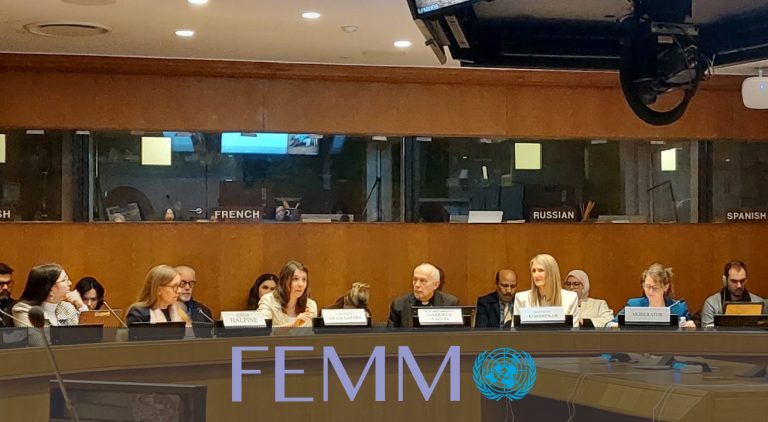
On March 18, FEMM participated in an event at the United Nations headquarters entitled “Beyond Band-Aids: Innovation to improve women’s healthcare.” The program, part of the UN’s 70th Session of the Commission on the Status of Women, aimed to discuss how every woman can realize her right to the highest attainable standard of health.
The event was moderated by Nadja Wolf, an expert on women, children, and health at the Permanent Observer Mission of the Holy See. Ms.Wolf opened the program by stating, “Women and girls’ health needs have not been given the attention and resources they deserve.”
The State of Women’s Health
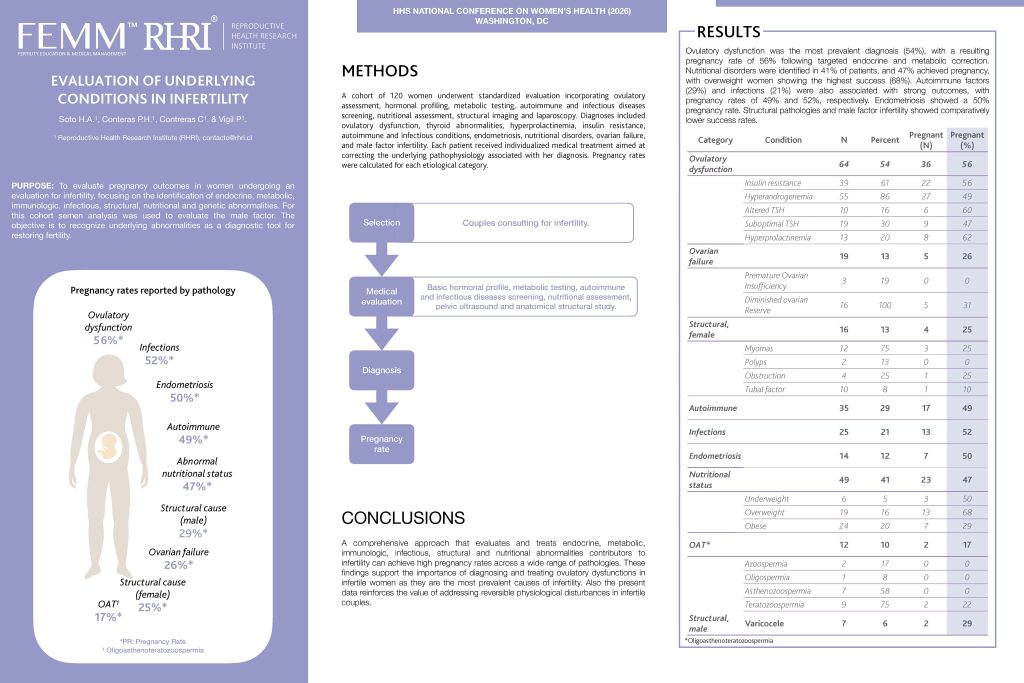
The facts back up this claim. Men remain the models for most research and pharmaceutical testing. On average, it takes a woman 8 years to get a diagnosis. Additionally, there’s a serious gap in women’s knowledge about how their bodies work. For instance, only 3% of women worldwide can identify when they ovulate—and yet, ovulation is a critical sign of health. Perhaps most troublingly, women’s fertility is not seen as a sign of health—instead, employers and even healthcare professionals treat it as a problem to be managed or an inconvenience.
FEMM’s Approach to the Challenge
FEMM CEO Anna Halpine addressed the room, saying, “UN agencies tell us that women’s health and maternal health deserts exist where 1 million or more women do not have access to the critical health care they need for health support. Waiting 8 years to receive a diagnosis is a health care desert. Women and teens who do not know how their bodies work and that ovulation is a sign of health is a health care information desert. Lack of access to medical providers who can diagnose and treat underlying conditions is a global health care desert.”
She then addressed how FEMM is meeting this urgent challenge.
Anna explained how the FEMM app works, highlighting that in addition to helping women track their biomarkers, it also enables them to connect with FEMM’s network of teachers and healthcare providers. She also touched on how teenFEMM and teenMEN school health curricula are answering the need for earlier and better health programs for adolescents, which give them a holistic understanding of their reproductive systems.
She gave an overview of how FEMM is growing in Africa, especially at Bugando Hospital in Tanzania, which is implementing FEMM into clinical work and education.
Addressing PCOS and Hormonal Imbalances
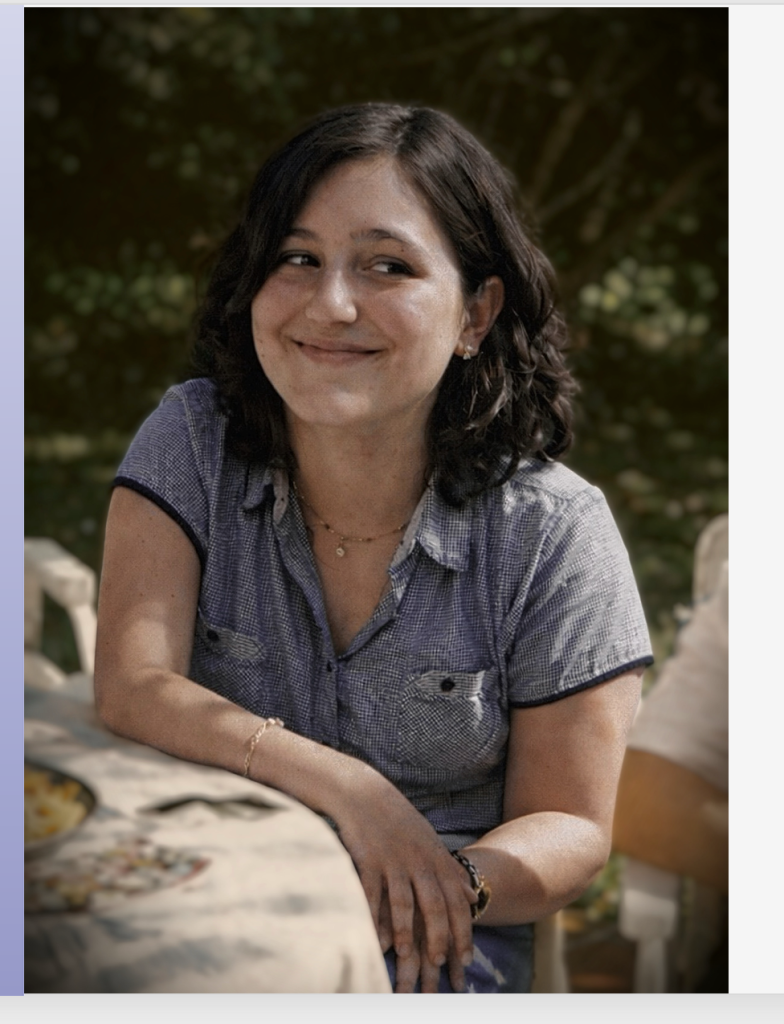
Anna was followed by Dr. Virginia de la Lastra, a researcher at the Reproductive Health Research Institute (RHRI). Dr. de la Lastra shared the story of Isabella, a teen with PCOS who was initially put on oral contraceptives to address symptoms such as acne and irregular bleeding.
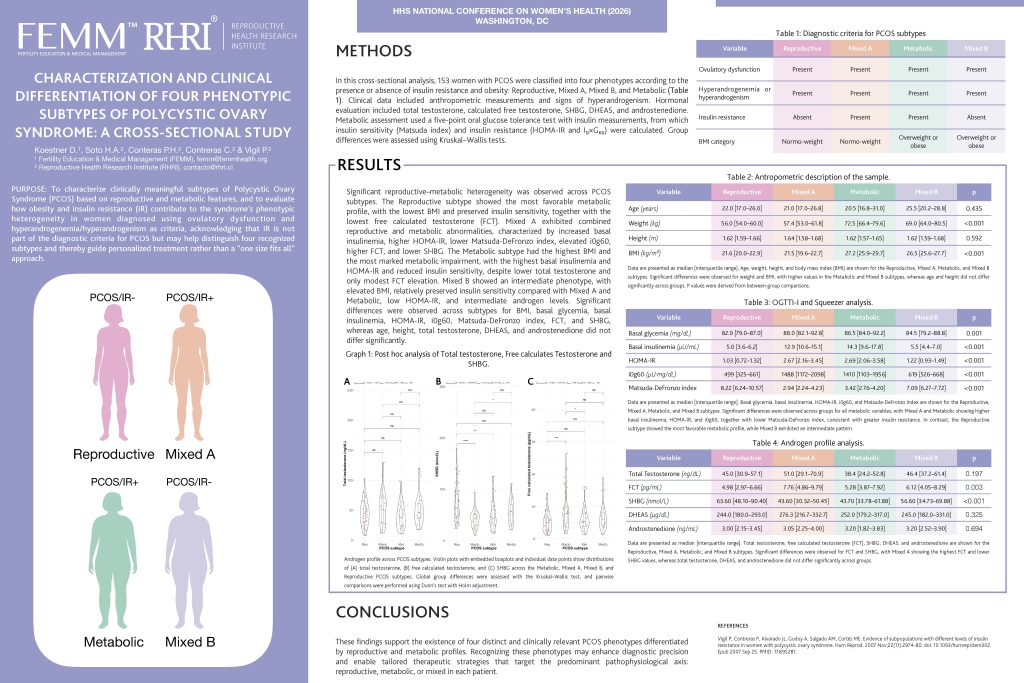
Isabella, as Dr. de la Lastra said, is one of many women who struggle with PCOS. In fact, 1 in 5 women has this hormonal imbalance, and the prevalence of the disorder is rising. Unfortunately, women with hormonal imbalances such as PCOS are not receiving the effective treatment they deserve.
Dr. de la Lastra highlighted that healthcare providers often focus on making a woman’s cycle look normal by managing symptoms with hormonal contraception. But this approach doesn’t address the underlying hormonal imbalance that causes the symptoms. Additionally, for some women, hormonal contraception has side effects that negatively impact their long-term health.
“When a healthcare system systematically fails to diagnose half the population because it treats their symptoms as inconveniences to be suppressed, this is not just a medical failure,” she said. “This is a structural injustice.”
“FEMM’s approach teaches women to read the signs their bodies are already producing,” she continued. “Cycle charting patterns, biomarkers, are visible to any woman who knows what to look for. These are not problems to be managed. They are information to be understood. When a woman understands that information, she becomes an active participant in her own healthcare.”
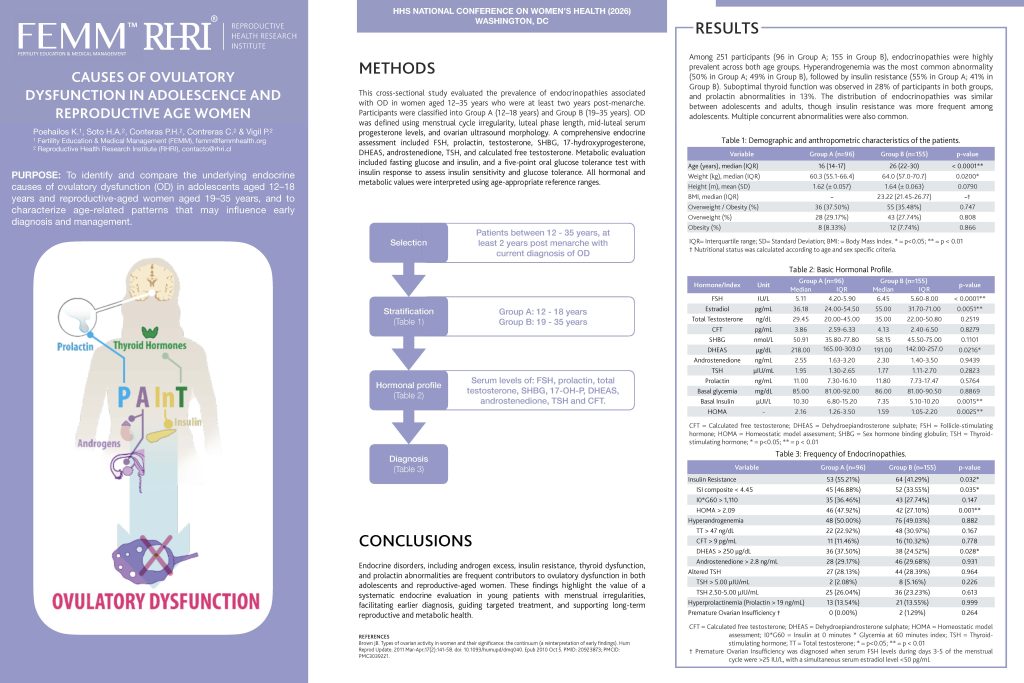
Dr. de la Lastra presented recent RHRI findings from a study of 251 girls and women with menstrual irregularities. The RHRI conducted a comprehensive endocrine evaluation for each patient and found that the most common causes of irregularities were sub-optimal thyroid function, hyperandrogenism, insulin resistance, and elevated prolactin.
A Clinical Approach to Women’s Health
FEMM Chief Medical Officer, Dr. Danielle Koestner, presented a case study of a “healthy” patient with unexplained infertility. Using FEMM protocols, Dr. Koestner diagnosed and treated the patient for hypothyroidism, type 2 diabetes, vitamin D deficiency, and infertility due to anovulation. Thanks to FEMM, the patient was able to conceive and give birth to a healthy child.
“What’s most important,” said Dr. Koestner, “is that this woman had type 2 diabetes, and if we didn’t catch this young, she would have become a patient, if she did conceive, with poor pregnancy outcomes. These are the women who get gestational diabetes, preeclampsia, and preterm delivery… When we have healthy moms, we have healthy babies, and we have healthy families. And that’s why what we do is so important.”
Looking Ahead
At the end of the event, attendees were moved by the picture of how FEMM is improving health and fertility outcomes for women around the world. Long lines formed inside and outside of the room, as attendees waited to ask their questions and share personal stories with the speakers. FEMM does not see women’s fertility as a problem to be solved or an obstacle. Instead, together with the Reproductive Health Research Institute, we continue to pioneer ways to help women understand that ovulation is a sign of health—and to bridge the gap for women around the world, stranded in education, information, and healthcare deserts. Thanks to FEMM, diagnosis, treatment, and health, through innovative research, are on the way.
You can watch FEMM at the UN event here.