
By: Dr. Virginia de la Lastra
I’d like you to meet Isabella. She is fifteen.
It is summer — the most terrible time of the year.
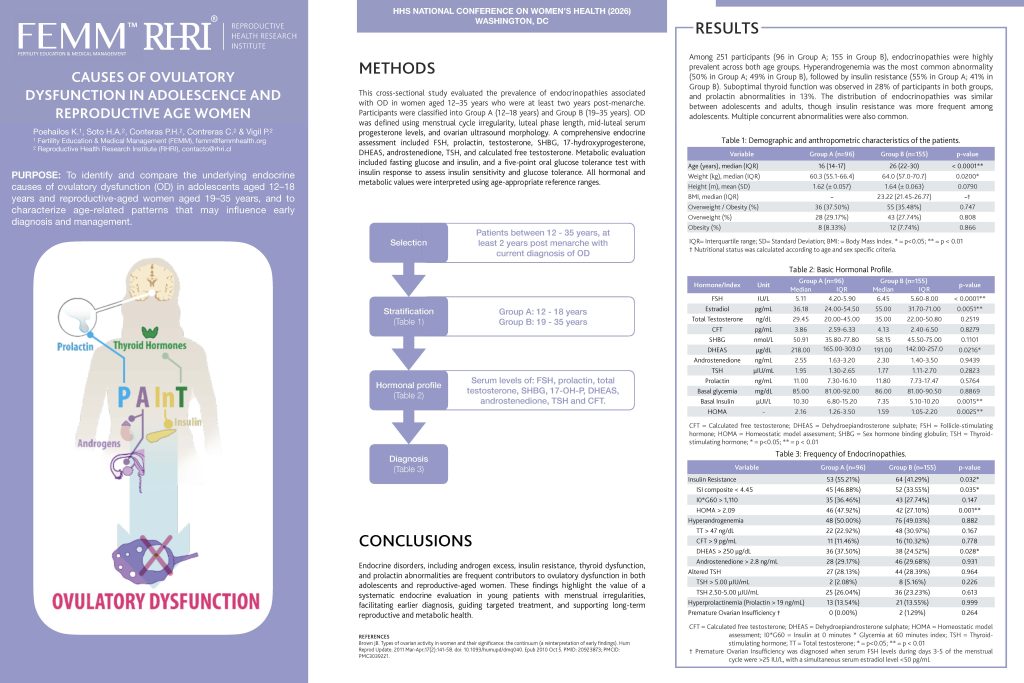
On Tuesday, she goes to the mall with her friends. They take turns getting waxed. When Isabella’s turn comes, the woman stops. She stares at her through those thin linen curtains and says: “Why do you have so much hair? I’m going to have to charge you extra.” Her friends look at her. She says nothing.
Three weeks ago, her mother took her to a dermatologist for her acne. He gave her creams. She asked about the hair. He said: “Oh, for that? You are a laser hair removal candidate.”
When she gets home, the hunger hits — hard, in sudden crashes she cannot explain. She is on a diet, and her mother is watching. So, Isabella eats in secret. Not a cookie. The whole package. Fast. In the dark. Standing up. Listening for footsteps.
Then the guilt comes. Because if she is hiding, she must be doing something wrong. She must be the problem. The nutritionist told her: “You just need to eat less. Go swimming!”
Her mother takes her to an endocrinologist. Surely this one will find what is wrong. He orders lab work. The results come back normal. He prescribes oral contraceptives. The bleeding becomes regular. The acne begins to clear. The chart looks normal. Everyone moves on.
But Isabella does not move on. The weight increases. The hunger crashes worsen. A sadness settles in permanently. She survives — because she tells herself this is what life must be like for everyone.
Seven years pass. Isabella is twenty-two. She walks into a different doctor’s office. And this doctor does something no one has done in seven years.
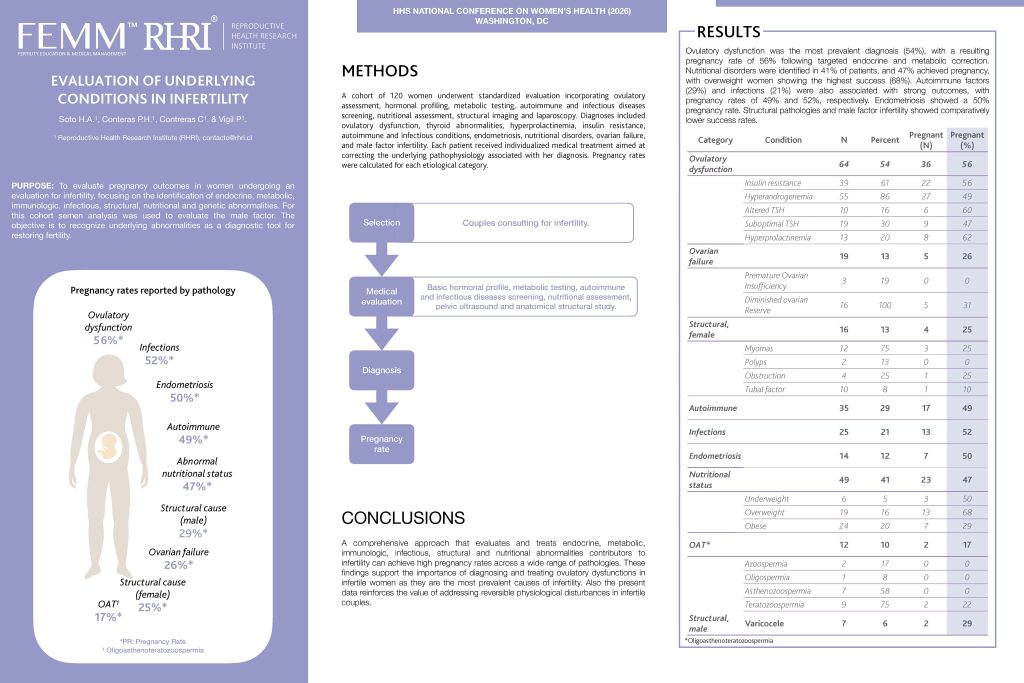
She does not manage. She does not refer. She investigates. She orders tests no one has ordered before. She tests how Isabella’s body processes sugar. She measures a hormone no previous doctor had thought to check.
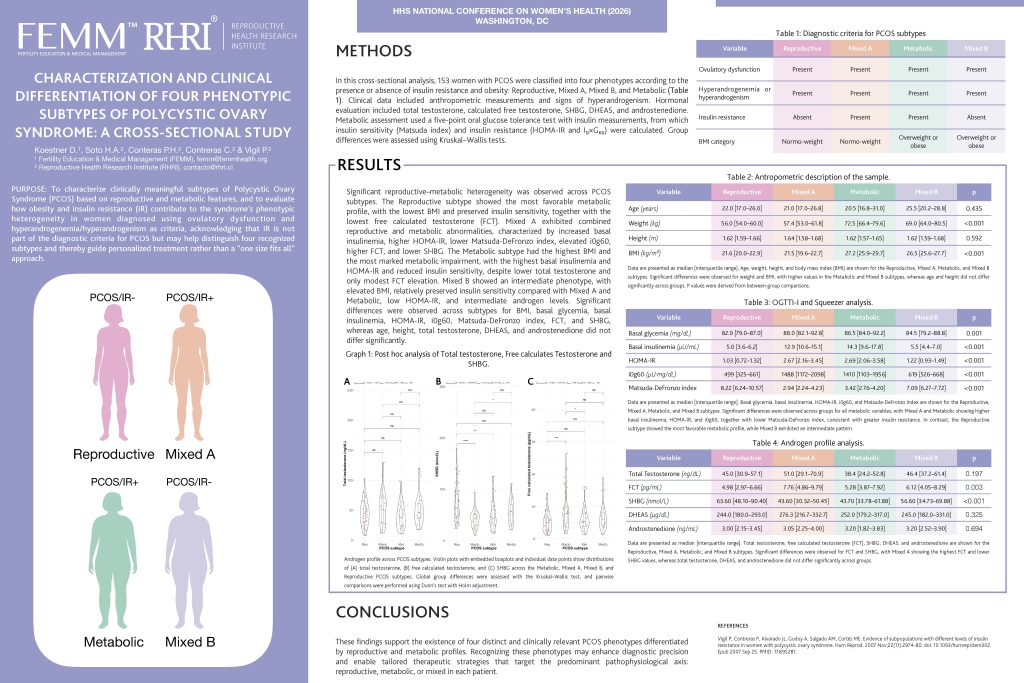
The results explain everything. Insulin resistance — an atypical form the standard tests had missed. Hormonal imbalance. PCOS. Seven years of symptoms. One diagnosis.
The treatment: metformin. Spironolactone. Simple. Affordable. Available in any pharmacy in the world.
In one year, Isabella loses thirty-four pounds. No extreme diet. No surgery. Her skin clears. The hair normalizes. She looks in the mirror and sees someone she has never met.
-In medicine, we are taught that symptoms are clues. A fever tells you about infection. We do not treat a fever by turning off the thermometer. And yet — when it comes to women’s reproductive health, this is often done.
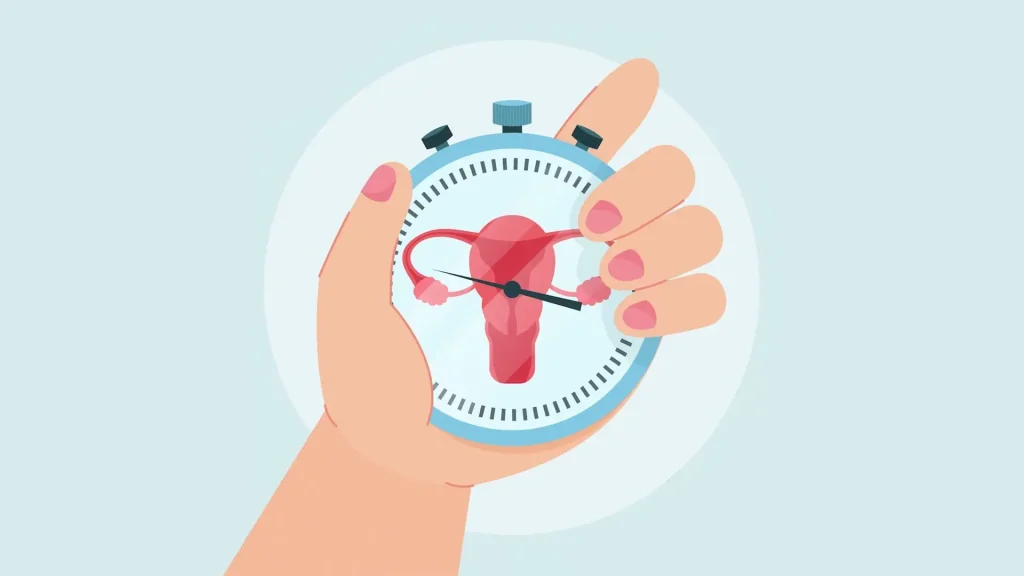
A woman comes in with an irregular cycle, with pain, with mood changes. The question her doctor asks is: how do we restore a regular bleeding pattern? The answer, overwhelmingly, is hormonal intervention. The symptoms disappear. The chart looks normal. Everyone moves on.